
Is It Ever Safe to Repair Your Own Roof in Ogdensburg, NY?
It can be safe to do minor roof work yourself, but only under the right conditions and with full awareness of safety risks. Residents often consider DIY repairs to save money or handle urgent issues, yet the region’s unique weather and home types require special caution.
For Ogdensburg’s single- or two-story homes with simple rooflines, some small tasks—such as replacing a shingle or fixing loose flashing—can be manageable for cautious, well-prepared homeowners. More complex or hazardous repairs, such as those involving large leaks, sagging structures, or steep slopes, generally pose unacceptable risks.
What Factors Make DIY Roofing More Dangerous Here?
The community’s climate, seasons, and typical home styles all play into rooftop safety. Ogdensburg faces long winters, sudden storms, and freeze-thaw cycles that can add to hazards. Time your work to milder, dry weather—spring through early fall is best—when surfaces aren’t icy or slippery from rain.
Unique to local homes:
- Many roofs have older underlayment and less traction than newer builds.
- Higher humidity and snow loads mean hidden rot or soft spots are common.
- Roof access can be more challenging for historic or tall homes compared to newer developments.
Even for confident DIYers, these regional realities can turn a seemingly small fix into a risky task. Always recheck your roof’s surface stability before starting, especially after a harsh winter.
Which Tasks Are Reasonably Safe for a Homeowner to Attempt?
Basic, low-risk jobs can be done by careful residents who use proper safety gear. Examples include:
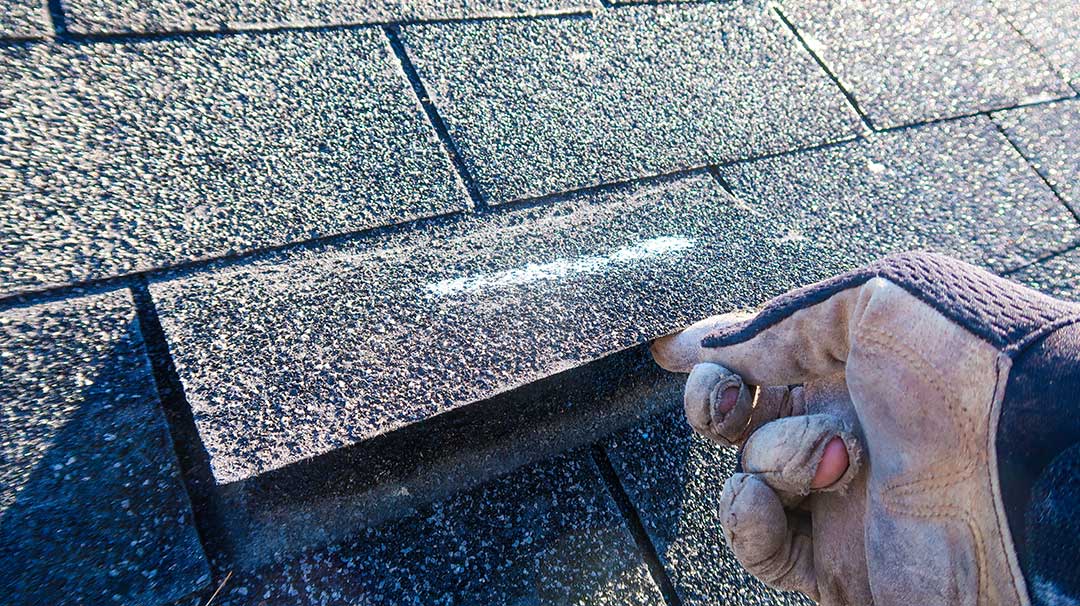
- Replacing a few missing or curled asphalt shingles in an easily accessible area
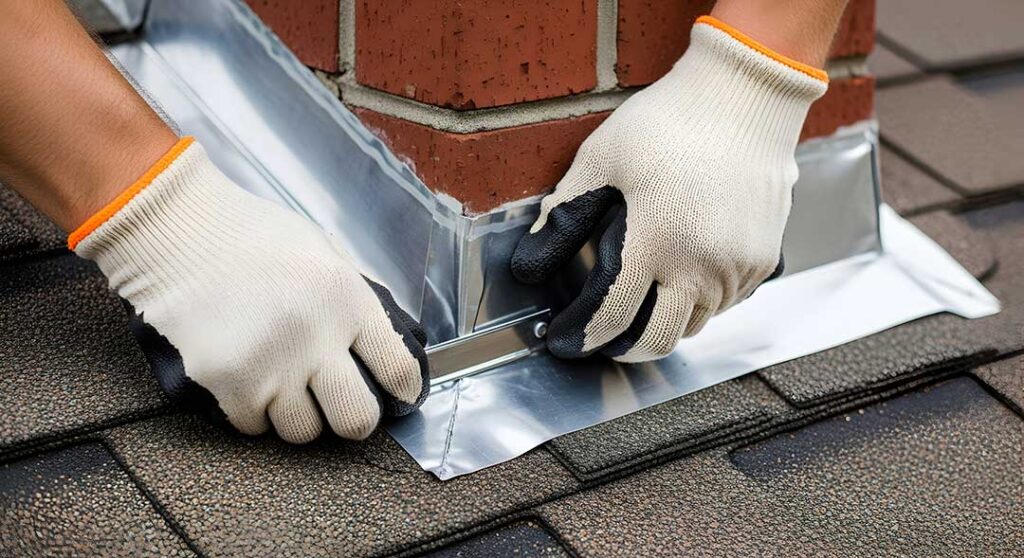
- Resealing exposed nail heads or minor flashing gaps around vents and chimneys
- Cleaning out gutters or downspouts (with stable ladder placement and spotters)
- Checking for visible nail pops or loose debris after wind
Ladders should always rest on solid, level ground, with a second person nearby for stability. Avoid working during gusty wind, extreme heat, or any threat of rain.
What Roofing Jobs Should Never Be Done Without Specialized Training?
Certain repairs require advanced skills, safety systems, and sometimes adherence to city building codes. These projects should be left to experienced professionals:
- Structural fixes involving rafters or trusses
- Full shingle replacement or installation on steep or high-pitch roofs
- Work involving electrical wiring for attic fans or roof-mounted solar panels
- Mold, asbestos, or large animal infestation cleanup
Attempting these repairs as a homeowner can lead to severe injury, voided insurance coverage, or legal issues if building codes are violated.
Do You Need Any Permits for Roof Work in Ogdensburg?
Minor repairs like shingle replacement or resealing generally do not require permits, but full roofing projects often do. Check with the local building department before starting larger scope tasks. All major structural changes or full roof replacements in the city require inspection and permit approval—ignoring this can lead to fines or problems with home resale.
What Safety Precautions Should DIYers Always Follow?
Even with simple repairs, injury is a real risk. Use these methods to stay safer:
- Always wear rubber-soled shoes for grip.
- Never work alone—have a partner on the ground.
- Secure your ladder at the top and bottom.
- Use a safety harness if working over 10 feet high, even for brief jobs.
- Wear gloves, long sleeves, and eye protection to avoid cuts and scrapes.
It’s easy to underestimate the force of a slip or the effect of a loose shingle—especially after storms, snow melt, or freezing rain typical in the area.
How Can You Tell If It’s Safer to Wait or Ask for Help?
Stop work immediately if:
- The roof feels soft or unstable underfoot, hinting at rot or water damage.
- You encounter wasps, animals, or other surprise hazards in gutters or vents.
- Wind speeds are above 15 mph—gusts make carrying materials dangerous.
- A fall risk is present due to height, roof pitch, or clutter.
- A job takes much longer than planned, leading to tiredness or rushing.
It’s better to wait for ideal weather or extra help than risk a preventable injury. Fresh eyes on an issue can also catch hazards a single person might miss.
Are There Common Myths That Make DIY Roofing Seem Safer Than It Is?
Some homeowners assume small patch jobs are always low-risk or that they can save money with no downside. In reality:
- Hidden water damage may leave a roof too weak for even a lightweight adult.
- Mystery leaks sometimes signal wider issues—superficial patches won’t solve the cause.
- Insurance may deny claims for accidents during unauthorized roof work.
- City inspection requirements may apply to projects thought to be “minor.”
Local experience shows it’s easy to overestimate roofing skills and underestimate risk, especially after tough winters or storm events that leave shingles brittle or roofs slippery.
What Are Good Alternatives to Perilous DIY Roof Repair?
If a roof problem appears urgent but unsafe to address alone, temporary measures can help:
- Use tarps with heavy weights (not nails or screws) to cover leaks from ground level if possible.
- Seal attic ceilings with plastic sheeting to divert water to buckets until conditions are safer.
- Clear debris only if it can be done without climbing, such as with extended tools from the yard or a window.
Staying patient and choosing safety often avoids further damage and lets local households maintain peace of mind during unpredictable weather.
