
What Tools Are Absolutely Necessary for Maintaining a Roof in Ogdensburg, NY?
For most homeowners in Ogdensburg, NY, keeping a roof in good shape often comes down to having the right tools. Essential tools help area residents safely clear debris, inspect shingles, and deal with small repairs, especially after harsh winters or stormy springs common in the region. Whether caring for asphalt, metal, or slate roofs, a basic set of equipment makes routine upkeep much more manageable and can prevent small issues from escalating.
Core Hand Tools for General Roof Upkeep
Some hand tools are staples for anyone maintaining their own roof:
- Sturdy extension ladder with rubber feet to safely access the roofline. Ensure it extends 3 feet above the gutter for a safe transition on and off the roof surface.
- Roofing hammer or hatchet with a magnetized head, useful for removing or securing nails and picking up stray fasteners.
- Flat pry bar or shingle ripper for prying up damaged shingles or flashing.
- Utility knife for trimming shingles or underlayment as needed during patch jobs.
- Caulking gun for applying roofing sealants, especially around vents or flashing.
Residents should always inspect tools for rust or damage prior to use and store them in a dry place—lake-effect moisture in the city can cause faster rusting.
Which Tools Help Most With Seasonal Roofing Challenges in Ogdensburg?
Ogdensburg rooftops face intense winds, heavy snow, and periodic ice. Tools designed for these challenges help extend a roof’s life and keep gutters and skylights clear:
- Roof rake with a telescoping handle—essential for gently removing heavy snow buildup from ground level, reducing risk of ice dams, and avoiding climbing on icy shingles.
- Soft-bristled outdoor broom for safely sweeping leaves, pine needles, or twigs, particularly after windy autumn days.
- Stiff brush for dislodging moss or algae; these are common issues for shaded roofs in the city’s treed neighborhoods.
- Plastic gutter scoop for clearing blockages after leaf fall, and a bucket or tarp to catch debris before it clogs downspouts.
Heat cables for ice dam prevention and snow guards are sometimes used, but installation and maintenance guidelines vary and may involve municipal permitting.
What Safety Equipment Should Not Be Overlooked?
Roof work in Ogdensburg is best handled with caution, especially with the city’s variable weather and older, sometimes steeply pitched homes. While not every tool is specialized, specific safety items can prevent injury:
- Non-slip work boots with a strong tread—especially in wet or icy conditions.
- Adjustable fall-arrest harness with a roof anchor—critical for any sloped roof or multi-story home.
- Heavy-duty work gloves to minimize cuts on shingles or flashing edges.
- Protective eyewear to shield eyes from grit, dust, or falling debris.
Seasonal roof checks are safest when conducted in dry, mild weather—snow, frost, or rain can make surfaces treacherous.
Are There Tools to Assist With Routine Roof Inspections?
Routine inspections catch problems early and minimize major repairs down the line. Some inexpensive tools help residents examine tricky spots or hard-to-reach areas without climbing all over the roof:
- Binoculars for checking for missing shingles, cracked flashing, or buildup at the roof’s edge from the ground.
- Flashlight for attic inspections, revealing signs of leaks, staining, or mold growth under the roof deck.
- Digital camera or smartphone with zoom to document problem areas for later review.
- Moisture meter (optional, but useful) to check for water infiltration in attic rafters after storms.
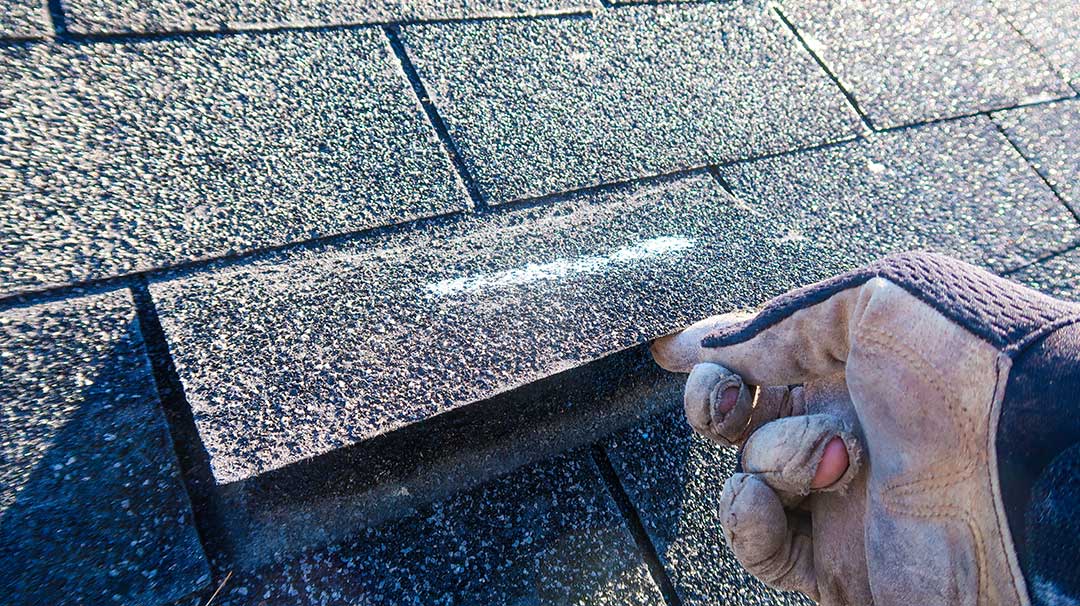
Hand mirrors taped to long poles can also provide visibility under overhangs or behind chimneys.
How Should Tools Be Maintained and Stored in Homes Around the City?
Ogdensburg’s humidity and temperature shifts can cause hand tools to rust or degrade more quickly if left in sheds or crawl spaces. Local residents often find it helpful to:
- Clean and dry tools after every use to prevent moisture buildup, especially in spring and fall.
- Store metal items off the ground and protected from direct contact with concrete, which retains moisture.
- Check extension ladders for loose rungs or bent feet before and after seasonal work.
- Replace any fraying harnesses or cracked safety gear immediately, even if issues seem minor.
Labeling a dedicated roof maintenance tote or toolbox prevents mix-ups with garden or automotive equipment.
What Are Common Mistakes or Misconceptions About Roof Maintenance Tools?
Residents sometimes believe that only professionals need specialized equipment, but even basic, safe tools can be very effective. A few common errors:
- Using metal shovels or harsh scrapers for snow removal—these can gouge or tear asphalt shingles.
- Attempting to check or repair a roof during windy or icy weather. No tool can compensate for unsafe conditions.
- Assuming all ladders are created equal—lightweight folding ladders are often unstable for roof access.
- Overusing pressure washers to clean moss or algae, which can erode granules and shorten shingle lifespan.
Simple, regular use of roof rakes and gutter tools prevents the need for more costly, complex repairs down the line.
When Is It Best to Refrain From DIY and Seek Help?
While many roofing tasks can be handled by a careful homeowner equipped with the right tools, there are situations—like working on high, extremely steep, or aging roofs—that are risky for anyone untrained. If structural problems, active leaks, or major storm damage are discovered, it makes sense to pause and consider specialized help. City building codes and local insurance may also set rules for what work must be handled by licensed personnel, particularly for multi-family or historic homes.
