
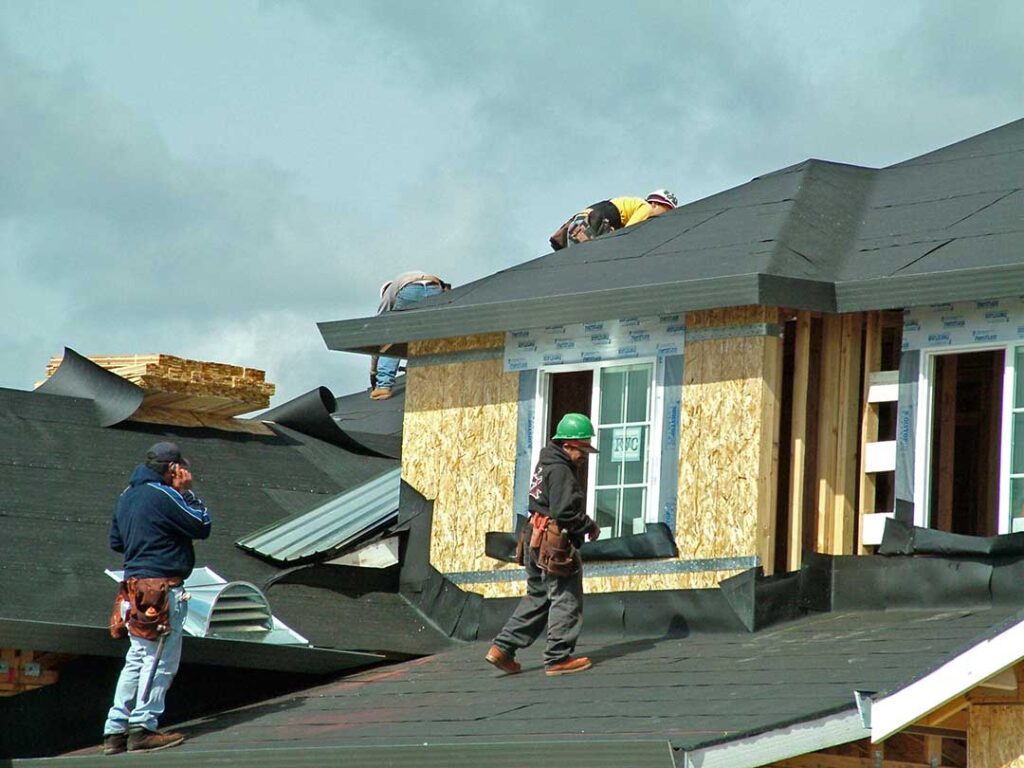
How do pests get into a roof?
In Ogdensburg, NY, pests usually enter through small gaps, damaged materials, or openings that were never properly sealed. A hole does not need to be large: mice can squeeze through openings about the width of a dime, while bats, squirrels, birds, and insects may use loose vents, roof edges, chimneys, or gaps around pipes.
Roof-related pest entry often begins above the living space but can spread into attics, wall cavities, insulation, and ceiling areas. Cold winters, heavy snow, spring thaw, summer storms, and aging housing materials can all create conditions that make these openings easier to form or harder to notice.
Which parts of a roof are most vulnerable?
The most vulnerable areas are usually transitions and penetrations rather than the broad, uninterrupted roof surface. These include:
- Soffits and fascia: Loose, cracked, or rotted boards can leave openings where squirrels, birds, and insects enter.
- Roof vents: Damaged vent covers or poorly fitted screens may allow animals into the attic.
- Chimney flashing: Gaps where flashing meets masonry or roofing can admit water, insects, and small animals.
- Plumbing vent pipes: Deteriorated seals around pipe openings create narrow but useful entry points.
- Skylights and roof windows: Aging sealants and damaged flashing can leave gaps around the frame.
- Roof edges and eaves: Wind damage, ice buildup, and clogged drainage can loosen materials near the perimeter.
- Dormers and valleys: These areas contain multiple seams where roofing surfaces meet and may develop concealed openings.
- Roof penetrations for cables or equipment: Unsealed openings around wires, ducts, or other installations can become pest pathways.
Pests often use more than one route. An animal may enter through the roofline, travel through insulation, and then move into a wall cavity or attic floor.
How does weather create pest openings?
Weather does not attract every pest directly, but it can weaken the parts of a roof that keep pests out. In northern New York, repeated freezing and thawing can expand small cracks in wood, masonry, caulk, and roofing materials. Wind can lift shingles, loosen flashing, or separate trim at the roof edge.
Snow and ice can also hide damage for weeks or months. Ice dams may force meltwater beneath shingles and into roof edges, where moisture can soften wood and encourage decay. Once wood deteriorates, it becomes easier for rodents, squirrels, carpenter ants, and other pests to gain access.
Summer storms can contribute as well. Fallen branches, wind-driven rain, and hail may damage vents, shingles, or flashing without creating an obvious opening from the ground. A roof can appear intact while still having a vulnerable point beneath a lifted shingle or behind loose trim.
Which pests commonly enter through roofs?
Different pests use roof openings in different ways.
Squirrels often enter through damaged soffits, gable vents, or roof edges. They may enlarge an opening by chewing and can damage insulation, wiring, and wood framing.
Bats commonly use narrow gaps near roof trim, vents, flashing, and siding transitions. They may enter and leave seasonally, making the problem difficult to observe.
Birds may nest in vents, chimneys, or open roof cavities. Nesting material can block ventilation and create moisture or fire concerns in some locations.
Raccoons need larger openings and may tear apart weakened roofing or soffit materials. Their presence can lead to substantial contamination in an attic.
Mice can enter through very small gaps around pipes, vents, eaves, and utility penetrations. They may not live directly in the roof but can use the attic as a route into walls.
Wasps, bees, and hornets may enter behind fascia, under shingles, or through gaps around vents. Some insects also use damp or decaying wood near roof edges.
Carpenter ants do not always enter through the roof, but roof leaks and damp wood can make roof framing attractive nesting territory.
What signs suggest pests are in the roof or attic?
The clearest signs are often sounds, droppings, nesting material, or visible damage. Residents may notice:
- Scratching, chewing, fluttering, or movement above a ceiling
- Droppings or urine odors in the attic
- Torn insulation or shredded paper used for nesting
- Grease marks or dark rub marks along frequently used openings
- Chewed wood, wiring, screens, or vent covers
- Feathers, fur, nesting debris, or food remains
- Stains near roof penetrations or attic ceilings
- Wasps or other insects repeatedly entering one roof location
- Daylight visible through an attic wall, roof edge, or vent
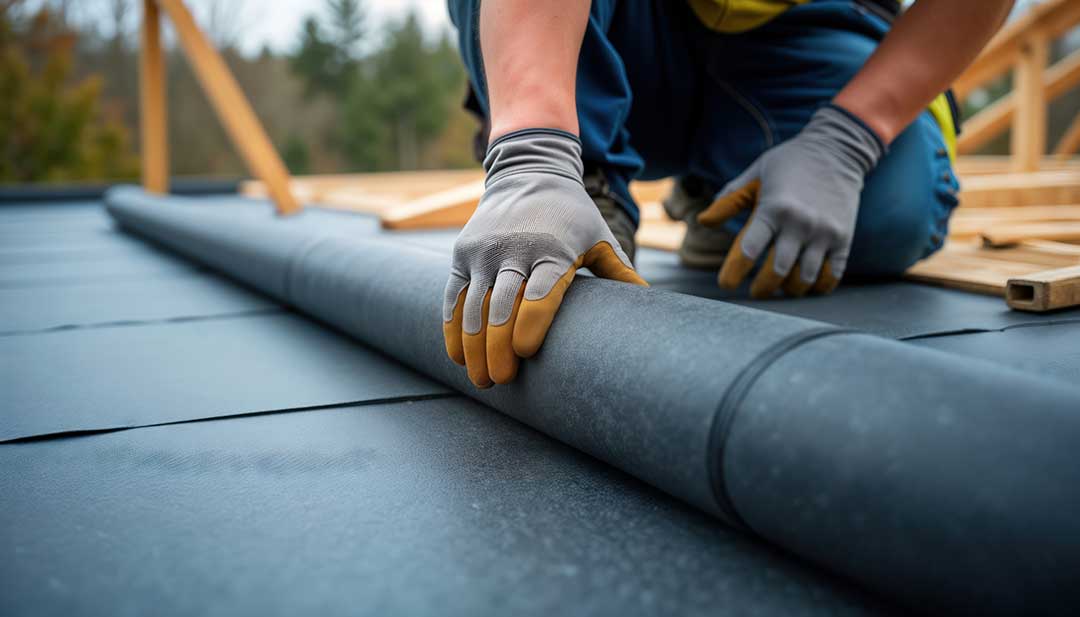
A single sound does not always identify the animal. Scratching at night may suggest mice or other nocturnal wildlife, while daytime movement may be associated with squirrels or birds. Seasonal behavior can also affect what residents hear.
Can a roof leak lead to a pest problem?
Yes. A leak does not automatically cause pests, but it can create conditions that make entry and nesting more likely. Moisture weakens wood, damages insulation, and can cause roofing components to pull away from one another. Damp areas may also attract insects or support decay that carpenter ants can exploit.
A leak may be visible as a ceiling stain, but the source can be farther away. Water can travel along rafters, roof decking, or insulation before appearing indoors. If pest evidence and water damage occur together, treating only the pest or only the stain may leave the underlying opening unresolved.
How can homeowners reduce roof entry points?
Regular observation is more useful than waiting for an animal to appear indoors. From ground level, residents can inspect the roofline with binoculars and look for:
- Missing, lifted, or damaged shingles
- Loose soffit or fascia sections
- Open or damaged attic vents
- Gaps around chimneys, skylights, and plumbing pipes
- Broken screens or covers
- Tree branches touching or overhanging the roof
- Moss, rot, or staining near roof edges
- Nesting activity around vents or eaves
Attic inspections can reveal smaller problems. Look for daylight, disturbed insulation, droppings, nesting material, damp wood, and damaged wiring. Keeping branches away from the roof can reduce animal access, although pruning should be done safely and without climbing onto a roof that may be wet, icy, or steep.
Repairs should match the type of opening. Screening a vent, replacing damaged flashing, sealing a pipe boot, and repairing decayed trim are different tasks. Blocking an opening without knowing whether an animal is inside can trap wildlife or separate a parent from its young.
What should happen if an animal may already be inside?
Do not seal an active entry point immediately. First determine whether the opening is being used and whether young animals are present. Wildlife trapped inside may damage roofing, walls, or electrical wiring while trying to escape.
Avoid handling droppings, nests, bats, or dead animals without appropriate protection. Some pests can carry parasites or diseases, and contaminated insulation may require careful removal. Children and pets should be kept away from attic access areas until the situation is understood.
If there is chewed electrical wiring, extensive contamination, a large animal, a bat inside the living area, or an opening that cannot be reached safely, specialized assistance may be necessary. Roof work also becomes hazardous during snow, ice, high winds, or wet conditions.
The most effective long-term approach is to address both parts of the problem: safely remove or exclude the pest, then repair the roof component that allowed entry. Otherwise, the same opening may be used again by another animal during the next season.
