
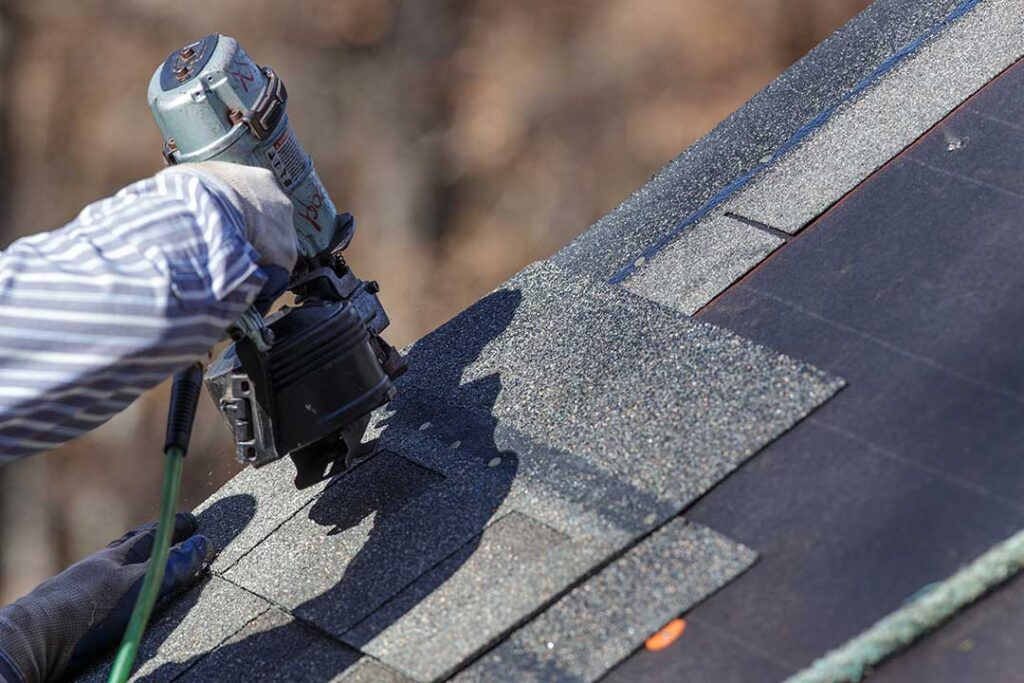
Why Does Matching Replacement Shingles Matter?
Replacing shingles is a common need in Ogdensburg, NY due to the area’s harsh winters, heavy snow, and occasional wind storms. Matching replacement shingles to the existing roof is more than an aesthetic concern—proper matches can help maintain your home’s resale value, protect roof integrity, and avoid issues with neighborhood or HOA guidelines. Even a small patch of mismatched shingles can stand out, especially in neighborhoods where homes have similar roof lines and are visible from the street.
What Should Area Homeowners Look For First?
Start by identifying the exact type, color, and texture of your current shingles. Shingle manufacturers often produce a wide range of colors, profiles, and finishes, and over time, styles or color lines may be discontinued. Homes in the city often use asphalt composition shingles, but some historic homes and rural properties may have slate, wood, or even metal roofing.
If you have leftover material from your last roofing job, those pieces are your best reference. Otherwise, take a clean sample from a less noticeable part of the roof, ideally matching the weathering and exposure level.
How Does Weathering Affect Your Shingle Match?
New shingles almost always look different from older, weathered shingles. Ogdensburg’s snow loads, freeze-thaw cycles, and the sun’s UV rays all combine to gradually fade or darken shingle surfaces. This means even if you buy the “same” product, freshly unpacked shingles will typically be brighter or less worn than those installed years ago.
To reduce the visual difference:
- If feasible, shuffle new replacement pieces among less visible roof areas.
- Place new shingles where natural shadow lines help mask subtle color changes.
- Understand that over time, new shingles will weather and blend in more with the existing roof.
What If You Don’t Know the Manufacturer or Color Name?
When there’s no leftover packaging and the original installer isn’t available, matching by eye is possible but can be tricky. Hold your taken sample alongside options at a local hardware store or lumberyard. Natural daylight is best for comparing true colors—indoor lighting can distort shades. Several major manufacturers offer color-matching charts or digital tools, but remember these aren’t always accurate for weathered materials typical in local homes.
Some helpful strategies:
- Take a large, clean shingle sample with you when shopping.
- Compare in direct sunlight to see undertones or granule patterns.
- Bring color photos of your roof from different seasons and lighting angles.
Are There Regulatory or Neighborhood Standards?
While Ogdensburg doesn’t have blanket rules on shingle colors, some properties—especially those in historic districts or subdivisions with homeowners’ associations—may be required to use specific color ranges or brands. Even if not required, keeping your repaired roof visually consistent with surrounding homes is often appreciated by neighbors and can prevent future headaches if selling or refinancing your home.
Common Mistakes Area Residents Make
A few pitfalls frequently arise:
- Relying solely on memory or photos, rather than physical samples.
- Overlooking how north- or south-facing slopes weather differently in the local climate.
- Purchasing “close enough” colors only to realize the difference is highly noticeable after installation.
- Assuming that manufacturer color names are universal between stores or years—“Weathered Wood” from one year or brand may look different than another.
Focusing on light exposure, granule texture, and edge profiles can help avoid these problems.
What Should Homeowners Know About Shingle Sizes and Patterns?
Besides color, pay attention to size, thickness, and edge treatment. Most area homes use strip (three-tab) or architectural (dimensional) asphalt shingles. If dimensions don’t match, not only will the repair look patchy, but it could also leave gaps for wind-driven rain and snow—serious concerns in local winters.
- Measure length and width carefully.
- Check for unique cuts or edge profiles.
- If in doubt, use your sample to fit-test potential replacements before purchasing in bulk.
How Can You Check the Match Before Installation?
Before committing to a full repair, “dry lay” several shingles on the roof to check their appearance from the ground, nearby sidewalks, and multiple angles. What seems subtle up close can look dramatic from street view, especially with the low winter sun or after rain.
- Step back to the street and from a neighbor’s driveway if possible.
- Consider both bright sunlight and cloudy conditions—the region’s overcast winter skies can make color variations more apparent.
What If an Exact Match Isn’t Possible?
Sometimes, discontinued products or severe weathering make a perfect match impossible. In these cases:
- Opt for a shade slightly darker, as lighter patches tend to stand out more.
- If replacing several shingles, stagger the new ones among a wider area rather than grouping all replacements in one spot.
- Consult local lumberyards for advice—some staff have experience matching aged shingles common in historic parts of town.
For older roofs nearing replacement age, consider repairs as temporary and plan for a full reroof in the next few years to ensure long-term protection.
Should Every Project Be a DIY Job?
Smaller jobs—like replacing a handful of shingles blown off by a storm—are manageable for many homeowners with basic tools. However, extensive repairs, steep slopes, or brittle/aged shingles increase the risk of damage or personal injury, particularly given the region’s roof pitch norms and snow/ice risks. If safety or roof integrity is in question, err on the side of caution.
