
What Are the First Signs of a Faulty Roof Installation?
A roof with installation problems often shows clear signs within the first season or two. In Ogdensburg, NY, intense winters and heavy snowfall quickly reveal defects that might remain hidden elsewhere. Homeowners might observe immediate visual cues or experience performance issues soon after installation ends.
Visible shingle misalignment, uneven rows, or inconsistent placement of materials are common red flags for improper craftsmanship. Residents may also notice daylight showing through roof boards when inspecting from the attic—this indicates potential gaps or misapplied sheathing.
Why Do Leaks Show Up Soon After a New Roof in Ogdensburg?
Leaks are among the most frequent complaints after poor roof installation. In the city's climate, freeze-thaw cycles and spring rains highlight vulnerabilities quickly.
Leaks just months after a new roof typically signal:
- Improper flashing around chimneys, skylights, or vents, especially if metal flashing is missing or poorly sealed.
- Nail heads left exposed to moisture, which leads to rapid rusting and water entry.
- Incorrect shingle nailing patterns, allowing wind-driven rain to bypass water barriers.
Even a minor leak can cause interior water stains, peeling paint near the ceiling, or damp attic insulation. The effects are often more obvious after severe storms or as ice dams melt.
How Can You Spot Installation Issues from the Ground?
Several indicators of poor roof installation are visible without needing to climb a ladder. Residents in the area can check for:
- Curled or lifted shingles within the first two years (often caused by insufficient nailing or missed adhesive strips).
- Unusual sagging or waves in the surface, signaling uneven decking or poor layering.
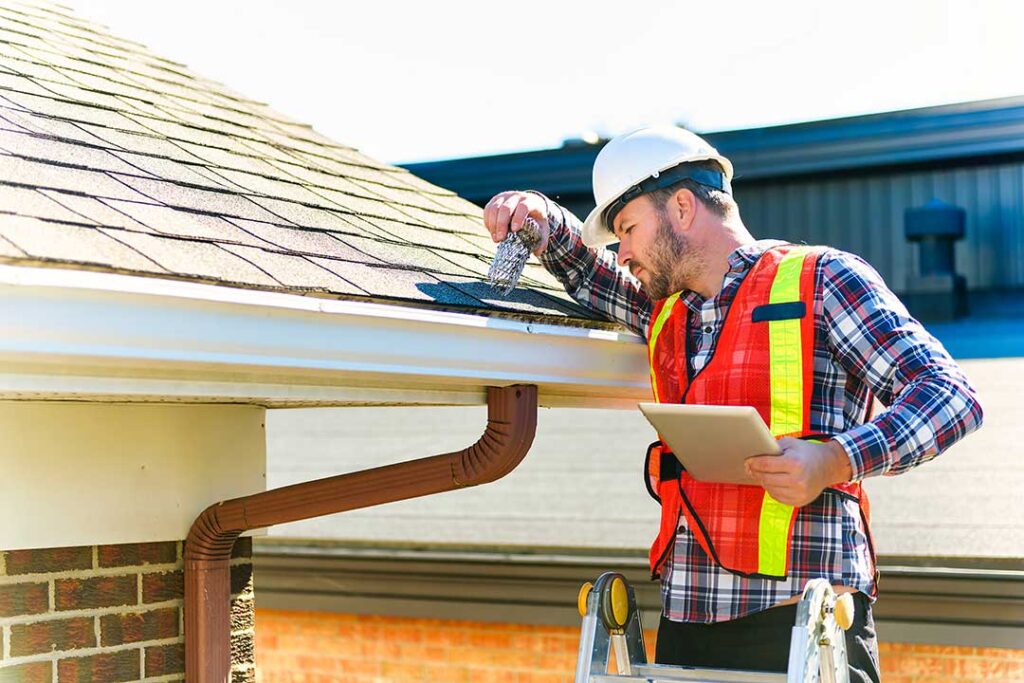
- Excessive shingle granules collecting in gutters, which may mean the material wasn’t handled or installed properly and is wearing down too fast.
Gaps at the roof edges, missing drip edges, or exposed underlayment along the eaves are additional warning signs, especially before the city’s snowfall creates ice buildup.
What Should You Check in the Attic After a New Roof?
An attic inspection can reveal hidden signs of sloppy work. In Ogdensburg, attics play a crucial role in keeping heat inside and moisture out during harsh winters.
Key things to look for:
- Light coming through the roof boards, indicating missed or poorly overlapped sheathing.
- Fresh water stains on rafters, insulation, or the attic floor—these usually signal leaks at fastener holes or flashing seams.
- Mold, mildew, or mushy insulation not present prior to the new roof, which may mean ventilation pathways were blocked or improperly reinstalled.
Proper attic ventilation is essential in this area. If soffit vents or ridge vents appear tucked, crushed, or blocked with insulation after roof installation, the home is at greater risk for moisture buildup and rot.
Can Ice Dams and Roof Damage Be Blamed on Poor Roof Installation?
While ice dams are common in local winters, a poorly installed roof is often more vulnerable. If a roof lacks correctly installed underlayment known as ice and water shield, or if eaves are missing metal flashing, meltwater can easily enter beneath shingles and into the home’s structure.
Roof designs common to Ogdensburg—such as steep pitches and low-eave edges—require installers to pay particular attention to these barriers. Homeowners who see unusual icicles, repeated damming, or water dripping behind gutters soon after a roof job should consider that installation flaws may be making problems worse.
Are Improper Roof Vent Placement and Flashing Problems Linked to Poor Workmanship?
Yes—incorrectly placed roof vents or poorly integrated flashing are frequent installation issues. In Ogdensburg's changing weather, moisture and wind expose inadequacies:

- Misaligned or unsealed vent covers can allow precipitation and cold drafts into the attic.
- Flashing that is not embedded beneath shingles, or is sealed only with caulk, often separates over time and lets water seep in.
- Gaps at penetrations through the roof deck—such as plumbing stacks—may be hastily sealed rather than properly flashed, leading to long-term leaks.
If residents notice vent covers that rattle, shift, or seem loose, these could point toward hasty workmanship.
What About Manufacturer Warranties—Are They Voided by Poor Installation?
Most roofing material warranties require proper installation to remain valid. If a manufacturer-specified nailing layout isn’t followed, or approved underlayments are skipped to save on costs or time, any future warranty claim for material failure may be denied.
Local homeowners sometimes discover this only when submitting a claim after a storm or leak, only to find out that documentation or a site inspection reveals visible shortcuts.
Can Early Wear and Tear Indicate Installation Problems, Not Just Product Quality?
Excessively fast aging—such as shingles curling, cracking, blistering, or losing color within a few years—often points to poor installation rather than defective materials. In Ogdensburg, roofs should withstand heavy freeze and UV cycles for many years. Premature deterioration suggests materials were not secured, sealed, or layered to the manufacturer’s specification.
Settlement cracks in interior drywall, sticking doors, or shifting floors that appear after a new roof often surprise homeowners, but these can occur when a shifting or uneven roof puts torque on the home’s frame.
What Are Some Overlooked Signs Residents Might Miss?
Not all installation problems are obvious. Commonly missed signals in Ogdensburg homes include:
- Gutters that continually overflow even when clear, which can suggest roof edge misalignment or missing drip flashing.
- Noisy roofs—loud popping or shifting noises in winter—might result from poorly attached sheathing expanding and contracting.
- Recurring attic frost or dampness, even if temperatures outside dip only moderately, often means ventilation baffles or vapor barriers were disrupted during installation.
When Should Safety Be a Concern with a Poorly Installed Roof?
If homeowners notice major sagging, bowing deck boards, or parts of the roof structure beginning to separate from the main frame, there is a genuine safety risk. Heavy snow loads typical of Ogdensburg winters can cause failures in weak areas. In these cases, prompt assessment from a qualified structural expert may be necessary to determine if immediate repairs are required.
