
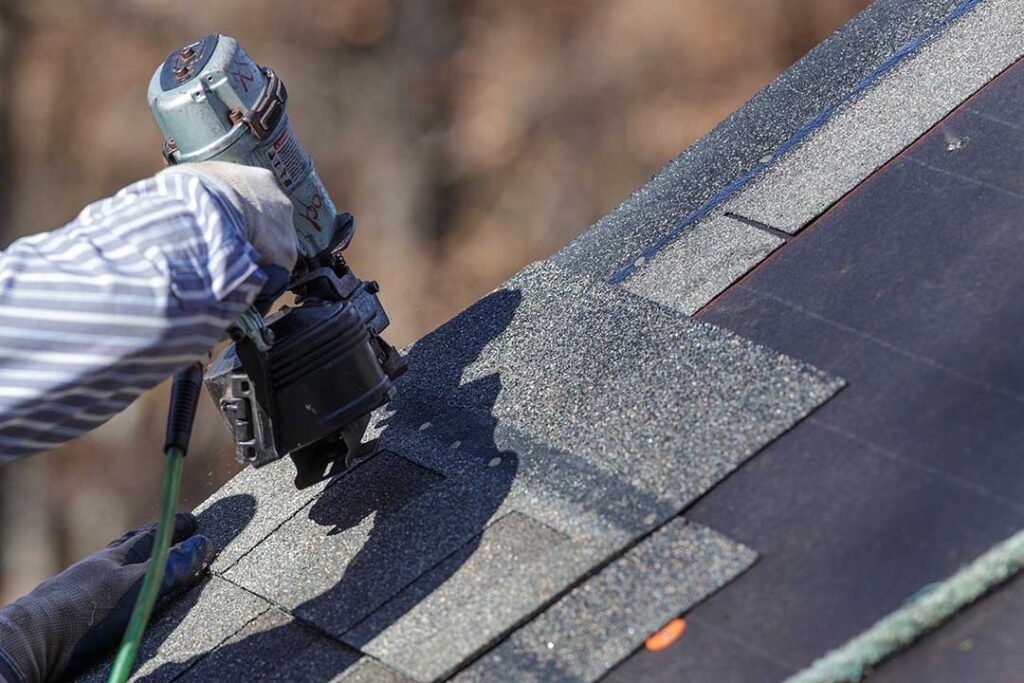
Why does rain sound so loud on some roofs?
Rain noise usually comes from vibration. Each raindrop strikes a roof surface, roofing panel, flashing, gutter, or nearby trim, causing that material to vibrate. Those vibrations can travel into the attic, ceiling, and wall framing, where they become more noticeable indoors.
Metal roofing often receives the most attention because it can produce a sharp, lively sound during downpours. However, asphalt shingles, membrane roofing, skylights, gutters, and roof-mounted equipment can also transmit noise. The interior construction of the home often matters as much as the roof covering itself.
In Ogdensburg, NY, residents may notice the difference during spring storms, summer thunderstorms, and long periods of fall rain. Older homes, additions, and rooms directly beneath a roof slope can be especially sensitive to sound.
Does attic insulation reduce rain noise?
Yes. Adding or improving attic insulation can reduce rain noise, particularly when the roof assembly has little insulation or large gaps. Insulation absorbs some airborne sound and limits the amount of vibration that reaches the ceiling below.
Insulation is not a complete soundproofing system. Its effect depends on:
- The type and depth of insulation
- Whether the ceiling has gaps around wiring, pipes, or light fixtures
- The roof framing layout
- The presence of an attic air space
- The thickness and construction of the ceiling
Fiberglass batts, blown-in fiberglass, and loose-fill cellulose can all contribute to sound reduction when installed correctly. Cellulose often provides good sound absorption because of its dense, irregular fibers, but the best choice depends on moisture control, ventilation, and the existing attic design.
Insulation should not block soffit or ridge ventilation. Covering ventilation openings can trap moisture and contribute to mold, wood decay, or ice-related roof problems during cold weather.
Can a roof underlayment make rain quieter?
Roof underlayment can help reduce some vibration, but it is not normally installed as a dedicated soundproofing layer. Underlayment sits between the roof covering and the roof deck, adding a small amount of separation between the exterior surface and the wood structure.
Some underlayments are heavier and more flexible than others. These materials may slightly soften the sound of rainfall, especially on metal roofing, but the overall result depends on the complete roof assembly. A thin roof deck, open framing, or unfinished attic may still allow significant noise indoors.
Underlayment must also be selected for water-shedding performance, temperature exposure, roof slope, and compatibility with the roof covering. Sound reduction should not take priority over proper drainage and moisture protection.
What changes can make a metal roof quieter?
A metal roof can be relatively quiet when it is installed over a solid, well-supported roof assembly. The loudest results often occur when metal panels are installed over open framing or when the roof deck and interior ceiling provide little separation.
Noise may be reduced by:
- Installing panels over a solid roof deck
- Using appropriate underlayment
- Maintaining adequate attic insulation
- Adding a finished ceiling beneath the roof
- Securing panels and fasteners properly
- Correcting loose trim, flashing, or roof-mounted components
Many metal roofs are installed over solid decking, insulation, and finished interior ceilings, so they do not necessarily sound dramatically louder than shingle roofs. The idea that every metal roof is excessively noisy is a common misconception.
Loose fasteners or poorly supported panels can create rattling that is more distracting than the normal sound of rainfall. If a roof produces sharp metallic tapping even during light rain or wind, the problem may involve movement, not simply the type of roofing material.
How can ceilings and interior finishes reduce sound?
The ceiling is the final barrier between the roof and the living space. Improving that barrier can be effective when exterior changes are limited.
Possible measures include:
- Adding insulation above the ceiling
- Installing an additional layer of ceiling drywall
- Using sound-damping compounds between ceiling layers
- Sealing gaps around recessed lights, vents, and electrical penetrations
- Adding resilient channels during a larger ceiling renovation
These improvements are most useful in rooms directly below the roof. A finished ceiling with multiple layers and few openings generally blocks more sound than an unfinished ceiling with exposed framing.
Recessed lights deserve special attention. Some fixtures create openings in the ceiling plane, while others may be incompatible with added insulation. Any work around electrical fixtures should follow applicable safety requirements and manufacturer instructions.
Can gutters and downspouts cause rain noise?
Yes. Gutters and downspouts can create noticeable noise when water falls onto a lower roof, splashes against metal, or travels through a loose section. A downspout attached to an exterior wall may also transfer sound into nearby rooms.
Check for:
- Loose gutter hangers
- Sections that slope poorly and hold water
- Downspouts that discharge onto metal or concrete
- Gutter covers or screens that rattle
- Water dropping from an upper roof onto a lower roof
- Loose elbows or straps
A short section of flexible drainage material or a properly positioned splash-control feature may reduce the sound of falling water, but drainage should remain clear and directed away from the foundation. Blocking or narrowing a downspout can create overflow and ice problems.
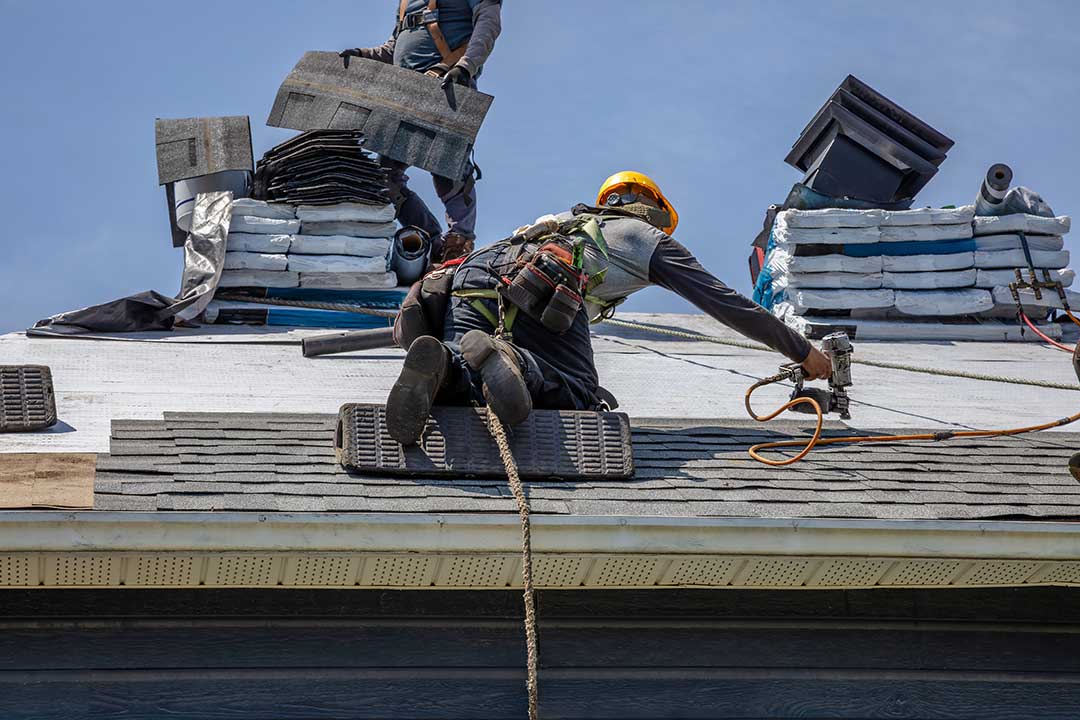
Do skylights make rain sound louder?
Skylights often transmit more rain noise than the surrounding roof because glass or plastic glazing vibrates more readily than an insulated ceiling assembly. The sound can be especially noticeable in bedrooms, kitchens, and rooms with hard interior surfaces.
Noise may be reduced by:
- Using interior shades or specialized acoustic coverings
- Adding soft furnishings beneath the skylight
- Checking for loose trim or flashing
- Improving insulation around the skylight shaft
- Replacing damaged or poorly sealed components when necessary
Interior shades can soften sound and reduce the sharpness of raindrop impacts, although they will not eliminate the noise. A skylight that rattles, leaks, or shows condensation around the frame should be inspected for a building-envelope problem rather than treated only as a sound issue.
Can furniture and room materials help?
Soft materials can make rain seem quieter by absorbing reflected sound inside the room. They do not stop roof vibration, but they can reduce echo and shorten the amount of time sound remains audible.
Useful changes include:
- Area rugs over hard floors
- Curtains or fabric window coverings
- Upholstered furniture
- Bookshelves or other uneven surfaces
- Acoustic wall or ceiling panels
- Avoiding an entirely hard, empty room beneath the roof
This approach is particularly helpful in rooms with hardwood, tile, bare walls, and high ceilings. The same roof may sound much louder in an unfurnished room than in a room with carpeting, furniture, and fabric surfaces.
Which rain-noise problems need closer attention?
Normal rainfall noise is usually a comfort issue. Rattling, banging, dripping, or sudden changes in sound may indicate a maintenance concern.
Pay closer attention if:
- Noise occurs during light rain
- A panel or flashing component visibly moves
- Water stains appear on the ceiling
- The attic smells damp or musty
- Gutters overflow in ordinary rainfall
- Ice or snow slides against roof edges
- The sound began after roof, siding, or gutter work
In the cold seasons common to Ogdensburg, water management matters as much as sound control. A modification that reduces noise but interferes with ventilation, drainage, or ice management can create more serious problems.
Before adding materials, identify whether the sound comes from the roof surface, attic, ceiling, skylight, gutter, or downspout. That distinction usually determines whether insulation, interior sound control, or a small exterior repair is the most suitable response.
