

What Are the Main Steps of a Roof Replacement?
Roof replacement follows a series of phases that keep both your home and neighbors safe while providing a stable, weather-tight result. In Ogdensburg, roofs are typically removed and replaced rather than layered, largely because of the local climate’s snow loads and cycles of freeze and thaw.
Key steps in the process often include:
- Planning and consultation
- Protection of home and landscaping
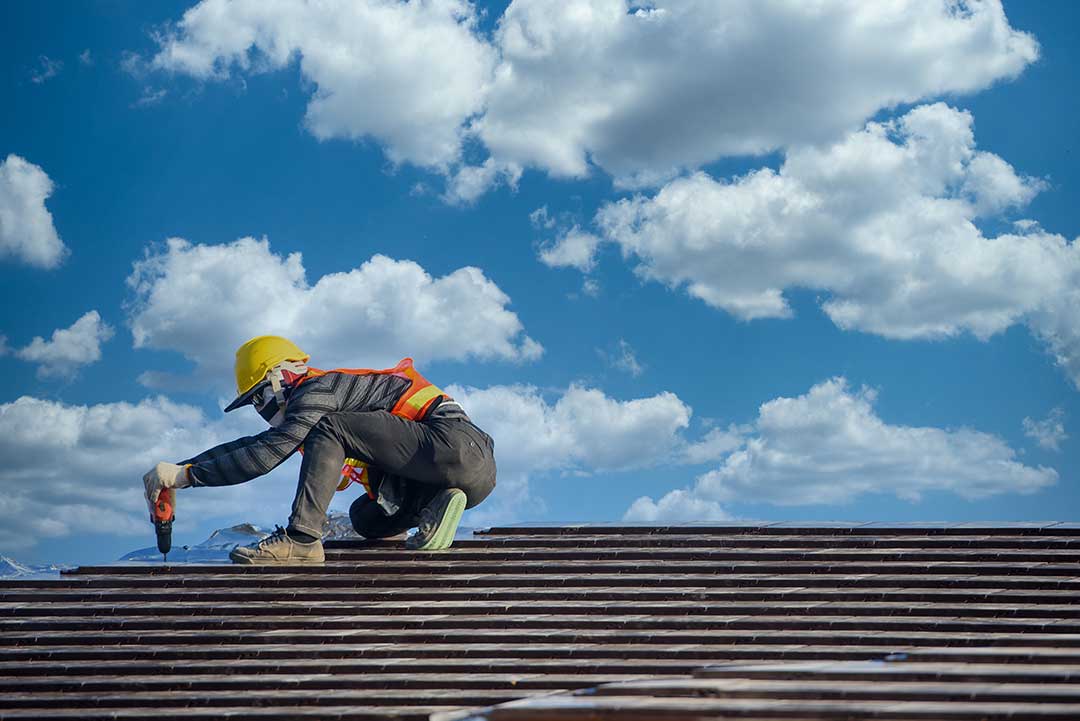
- Removal of old roofing materials
- Inspection and repair of roof deck
- Installation of underlayment and flashing
- Laying new shingles or other materials
- Cleanup and final inspection
Local building codes and seasonal weather patterns can influence both timing and methods for area homes.
How Long Does Roof Replacement Usually Take Around Ogdensburg?
Most single-family homes in the city can expect the process to last about one to three days in good weather. Small houses may be finished in a day, while larger roofs or those with complex layouts may require more time. Weather is a frequent factor: sudden rain or spring winds, common near the St. Lawrence River, can pause work for safety and quality reasons.
What Should Residents Do to Prepare Their Property?
Before roofing starts, securing the home’s surroundings helps prevent damage. Residents are often advised to move vehicles from driveways and trim back any overhanging branches. Items like patio furniture and fragile lawn decorations should be stored indoors.
Inside, vibrations from hammering and movement on the roof can cause wall shake. Taking down pictures or items from ceiling-attached light fixtures—even temporarily—can protect personal belongings.
Will There Be a Lot of Noise and Mess?
Roofing is a noisy and dusty process, especially during the tear-off stage. Residents should expect consistent noise during daylight hours, including early mornings. While reputable crews use tarps and cleanup procedures, stray nails or shingle scraps can linger in bushes or grass. Double-checking lawns and gardens afterward is a good practice for families and pet owners.
What Happens If Damage Is Discovered Beneath Old Shingles?
If roofers find rotted wood or structural concerns after removing old layers, these issues are addressed before installing new materials. In Ogdensburg, it’s not uncommon for water-damaged decking or insulation to be discovered because of winter ice dams or summer storms. Most repair costs are added after discussion with the homeowner. This step is essential to ensure a safe structure and extend the roof’s life.
Does the Time of Year Matter for Roofing Work?
Yes, timing can impact both roof integrity and project speed. Local residents typically avoid winter replacements because ice and sustained cold can hinder adhesion of roofing materials. Most work happens from late spring through early fall—late May through September—when temperatures and precipitation are more predictable. Summer projects may proceed faster, but weeks of steady rain can set schedules back.
What Kinds of Roofing Materials Do Local Homes Use?
The most common type in Ogdensburg is asphalt shingles, known for affordability and durability in four-season climates. Some historic homes or buildings near the waterfront may have metal or slate roofs, which require different installation techniques.
Material selection matters for ice resistance, wind tolerance, and energy efficiency:
- Asphalt shingles (standard for most homes)
- Metal panels (especially for sheds, garages, or rural properties)
- Slate and architectural shingles (seen on some older properties)
Many area households select lighter shingle colors to reflect summer sun, while high-pitch roofs help shed snow during the winter.
Are Permits or Inspections Required?
Local regulations typically require a building permit for a full roof replacement. An inspector may visit at specific points to confirm code compliance, especially if structural repairs are involved. Residents can check the city’s official site or contact the local building department for the most up-to-date requirements.
What Should Homeowners Check After Completion?
Once the crew departs, it’s a good idea for residents to:
- Look for leftover debris, including nails or sharp materials, on the lawn or driveway
- Confirm gutters and downspouts are reattached
- Inspect the attic for signs of daylight or new drips (especially after a rain)
- Verify that all roof edges, vents, and flashing appear neat and secure
Taking photos for personal records and reviewing project paperwork can be helpful for future reference or insurance.
Are There Common Local Misunderstandings About the Roofing Process?
Some area households may assume that new shingles can be layered over old ones to save cost. However, local climate conditions—especially heavy snow and repeated temperature swings—make full tear-off and inspection the safer and longer-lasting approach. Another misconception is that roofers can work through any weather. In reality, rain, high humidity, or high winds can halt progress and even affect the finished product’s quality.
