

Can Sports Balls Really Damage a Roof?
Yes, sports balls can harm a roof in ways many homeowners might not expect. This is especially true in family neighborhoods throughout Ogdensburg, NY, where backyard games and nearby parks mean sports equipment regularly finds its way onto roofs. While a single occurrence might not cause obvious issues, repeated impacts and the materials of both ball and roof can lead to damage over time.
What Types of Roof Damage Do Sports Balls Cause?
Balls can create a variety of problems, depending on roof type, age, and how hard or often they hit. Common issues include:
- Shingle bruising: Asphalt shingles, frequently used in the community, can become dented or lose granules where a ball hits.
- Loosened or cracked shingles: A forceful impact, especially from heavier balls like basketballs or soccer balls, can crack or dislodge shingles.
- Gutter and flashing bends: Repeated contact with gutters or flashing may bend or loosen these metal parts, leading to leaks.
- Punctures: Sharp-pointed balls (like certain backyard missiles or thrown objects) can create small holes, especially in older or weaker shingles.
- Algae and debris buildup: Balls that get stuck on a roof trap leaves and moisture, sometimes promoting moss or algae growth, a concern given the region’s moisture-rich climate.
Are Some Types of Balls More Problematic Than Others?
Certain sports balls carry a greater risk based on their weight, hardness, or how frequently they strike the roof. Generally:
- Basketballs and soccer balls: Heavier with more momentum, they’re likely to cause dents or knock loose roofing materials.
- Baseballs and softballs: Smaller but hard and fast-moving, these can chip or crack shingles, especially on impact edges.
- Footballs and volleyballs: While softer, repeated impacts can wear down roofing components over months or years.
- Lighter balls (plastic or foam): These pose little structural risk but may still get trapped in gutters, impeding drainage.
Local families should be aware that ice and snow can worsen the effect—for instance, an already frozen or brittle shingle is more likely to fracture from any kind of impact during the winter.
How Does the Local Climate Play a Role?
Ogdensburg’s climate introduces unique factors. Winters bring heavy snow and ice loads that can weaken shingles, making them more susceptible to chipping or cracking when struck. During rainy seasons, a ball left on a shady, damp part of the roof can hold moisture against the surface, leading to faster growth of algae or moss and potentially softening wood underneath.
After strong winds—common during fall and spring—the risk increases that balls (or other toys) might be blown onto roofs, or dislodged balls roll into vulnerable areas such as roof edges or valleys.
Can Trapped Balls or Toys Cause Other Long-Term Problems?
Yes. When a ball comes to rest in a valley, behind a chimney, or near a skylight, it may trap moisture, pine needles, or leaves. Over time, this can:
- Promote rot or mold on wood decking
- Block proper water runoff, increasing leak risk
- Encourage insects or birds to nest, especially if debris builds up
If a ball damages a vent, pipe boot, or other protruding roof feature, it can also disrupt proper ventilation or drainage, potentially raising household energy costs or causing water seepage.
Are Metal or Flat Roofs in Ogdensburg at Lower Risk?
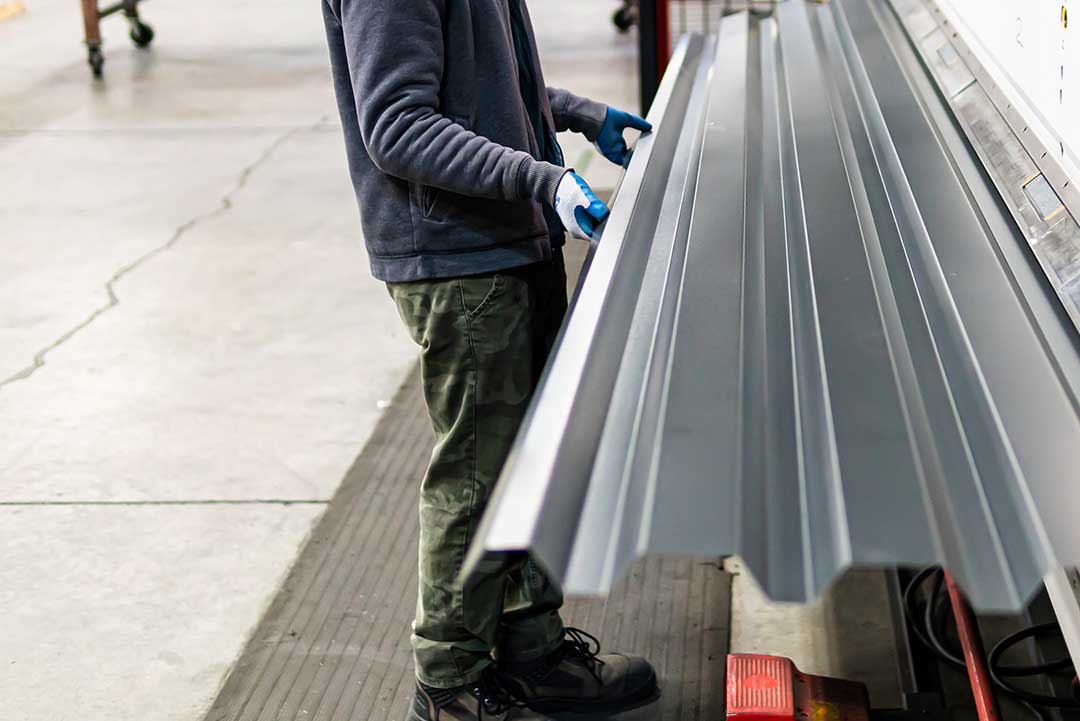
Metal roofs, more common on newer or rural outbuildings, are generally less affected by single impacts from most sports balls. However, denting is still possible, which could lower the roof’s lifespan or affect resale value. Flat roofs, found on some garages or additions, might suffer not from impact but from balls clogging internal drains, especially if debris collects around them.
How Should Residents Safely Remove Balls from Their Roof?
Removing a ball from a roof seems straightforward, but care is needed to avoid personal injury and further roof damage. Instead of climbing on, some effective, safer alternatives include:
- Using a long broom or extension pole from the ground, if the ball is reachable
- Waiting for a rainstorm to potentially dislodge lighter balls
- For lower roofs, carefully using a sturdy ladder—never stepping onto a sloped or icy surface
Residents should not attempt to walk on steep, icy, or visibly damaged roofs. In those cases, waiting until safe access is possible is better than risking a fall.
Does Insurance Usually Cover Roof Damage Caused by Sports Balls?
Home insurance generally covers sudden and unintended damage, such as a major structural event. However, wear and tear or preventable issues—like repeated damage from ongoing games—may not be included. Residents should review their specific policy details and consider the cumulative impact, especially if children or nearby playgrounds make incidents more likely.
What Are Some Practical Prevention Tips for Area Households?
- Place play areas away from direct lines to the house, garage, or outbuildings.
- Regularly check your roof visually, especially after windy weather or known impacts.
- Encourage children to report when a ball has landed on the roof.
- Prune branches that might redirect errant balls onto the roof.
- Install gutter guards to prevent balls or debris from clogging drainage systems.
By paying attention to these factors, residents can reduce the risk of unnecessary roof wear from what may seem like harmless recreation, helping their homes stand up to Ogdensburg’s climate for years to come.
