

What Do Homeowners in Ogdensburg, NY Need to Know About Roofing Durability?
In Ogdensburg, NY, durability is one of the most important factors when choosing roofing materials. The area experiences cold, snowy winters and sometimes harsh seasonal transitions, which makes roof longevity and weather resistance top local priorities. Residents often ask which materials last the longest and handle the conditions best. Reliable information helps homeowners make choices that save money, reduce stress, and protect property over decades.
How Does Ogdensburg’s Climate Affect Roof Durability?
Heavy winter snow, ice, freeze-thaw cycles, and gusty spring winds all place significant stress on roofs in Ogdensburg. Materials need to resist:
- Repeated freezing and thawing, which can cause some materials to crack or become brittle
- Significant snow load, which tests a roof's structural strength
- Occasional ice damming along roof edges
- Summer sun exposure, which can lead to aging and deterioration over time
A roof that performs well here must be tough in multiple ways—resistant to moisture, temperature changes, and physical impact.
What Are the Longest-Lasting Roofing Materials Used in Ogdensburg?
Some roofing options clearly outperform others for long-term strength. While many factors affect lifespan (such as installation quality and ventilation), several materials consistently prove resilient in the local environment:
Metal Roofing
Direct Answer: Metal roofing is considered one of the most durable choices for Ogdensburg's climate, often lasting 40-70 years.
Expanding: It resists cracking, shrinking, and eroding. Snow and ice typically slide off more easily than with rougher surfaces, reducing the risk of heavy buildup or ice dams. Steel and aluminum panels are most common. Painting and coatings can improve protection from corrosion. While hail can dent metal panels, most damage is cosmetic rather than structural.
Common misconception: Some residents assume metal roofs are noisy during rain; in reality, modern underlayments reduce sound dramatically.
Slate and Synthetic Slate Roofing
Direct Answer: Slate is widely recognized as an exceptionally long-lasting material, with lifespans of 75-150 years.
Expanding: Natural slate is a stone product quarried then shaped for roofing. It is highly resistant to weather, fire, and moisture. The stone’s weight requires a sturdy roof frame, which isn’t suitable for every home. Synthetic slate, made from engineered polymers or a composite, mimics the look and multiplies impact resistance while reducing overall weight and cost.
Practical note: True slate roofs are a specialty product—repairs require expertise, and access to matching tiles can be challenging over time.
Clay Tile and Concrete Tile Roofs
Direct Answer: Concrete and clay tiles offer durability (up to 50-100 years for clay, 30-50 for concrete) and excellent resistance to moisture.
Expanding: These tiles are more common in southern climates but do exist in the northern U.S. Where properly supported, they are fireproof and hold up to wind and precipitation. However, they are heavy, and houses must be evaluated for structural compatibility. Tiles can crack under heavy impacts—localized repairs, rather than full replacement, are usually possible.
Asphalt Shingles (Architectural Grade)
Direct Answer: Architectural (laminated) asphalt shingles, although not as long-lived as metal or slate, are the most common roofing in Ogdensburg due to a balance of cost and moderate durability (20-30 years).
Expanding: Laminated shingles are thicker and more robust than basic three-tab types. They provide fair resistance to hail, wind, and UV light. Ice dams and moss can shorten lifespan, but regular maintenance (like keeping gutters clear and trimming overhanging branches) helps shingles last their full potential lifespan.
Wood Shingles and Shakes
Direct Answer: Wood roofing is attractive but typically less durable in moisture-prone climates—averaging 20-30 years if well cared for.
Expanding: Cedar or other treated woods are sometimes used for historic homes. They must be installed with care to ensure proper ventilation and treated regularly to prevent rot or moss growth. In northern climates where humidity and moisture persist, maintenance is often higher and lifespan shorter than with other options.
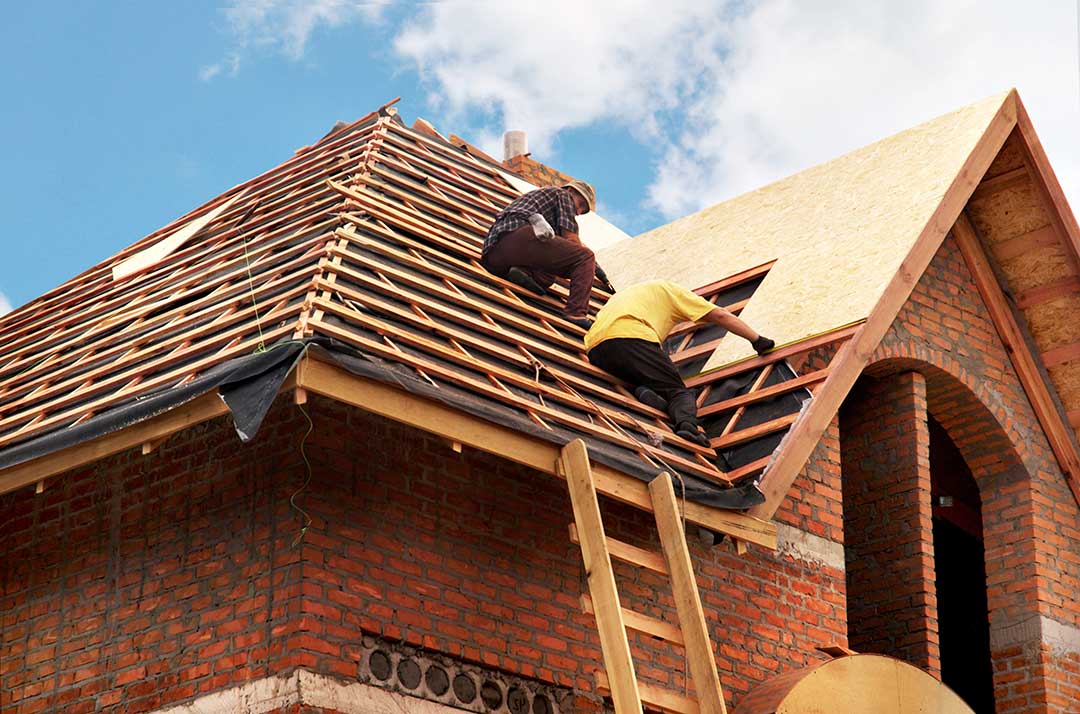
What Factors Besides Material Affect Roof Longevity?
Some homeowners are surprised to learn that even the best material can fail prematurely if other factors are overlooked:
- Proper installation is critical—improper nailing, flashing, or venting reduces lifespan.
- Regular roof inspections help spot issues like loose tiles, nail pops, or damaged seals before they become leaks.
- Roof ventilation and insulation prevent ice dams and moisture buildup in attic spaces, reducing risk of wood rot or mold.
- Gutters and downspouts should be kept clear to prevent water pooling at the roof edge.
In regions like Ogdensburg, addressing these practical matters is as influential as picking a durable roofing product.
How Do Local House Styles and Roof Slopes Affect Material Choices?
The pitch (angle) and style of roofs in the city can determine which materials work best. Many homes in Ogdensburg have moderate to steep pitches that naturally shed snow, making metal and asphalt both solid options. Flat or low-slope roofs call for specialized waterproof membranes rather than shingles or tiles.
Older and historic houses, some of which are found in the area, may have weight or aesthetic considerations that affect which products are suitable. Before major roof work, it’s common for homeowners to have the framing checked to ensure compatibility with heavier options like slate or tile.
What Are Some Overlooked Considerations in Choosing Roofing for Local Homes?
Local experience shows that energy efficiency, fire resistance, and ease of repairs should all enter the decision process:
- Metal and tile roofs often reflect more sunlight, helping keep attics cooler in summer
- Slate and metal are among the most fire-resistant options
- Asphalt is comparatively easy to repair, while slate and tile may involve custom work
- Warranty periods for both materials and workmanship vary—longer coverage can be a sign of manufacturer confidence, but the specifics should be checked
Finally, while price is always a concern, focusing solely on upfront costs can lead to more frequent repairs or replacement down the road. Factoring in durability, maintenance needs, and true lifespan yields a more accurate sense of value.
